We build and repair decks for homeowners around Allen, and most of us got into this trade doing framing or general carpentry before deck work became the main thing. A deck is one of the few home projects where you can see the whole structure, from the footings to the rail cap, and that's part of what keeps us doing it.
The decks we get called out for are usually failing in the same two spots: a ledger board that was never flashed and is rotting into the house, or footings poured too shallow that have started to heave with the clay soil. We flash every ledger connection before the first board goes down and we pour footings deep enough to sit below the frost line, which is the difference between a deck that's tight in year one and one that's still tight in year ten.
None of this is complicated. It is mostly just doing what we said we would do.
You're covered if something goes wrong on the job site, not just told that you are. We can send certificates before you sign anything.
We price the lumber, the footings, and the labor separately so you can see where the money goes. No surprise change orders once the frame is up.
Most cities around here require a permit for a deck over 30 inches high, and we deal with the city on that. If an inspector wants a ledger bolt moved or a hanger swapped, we handle it before it becomes your problem.
We don't hand the job to a rotating set of subcontractors. The same people who set your footings are the ones cutting your stair stringers.
You'll know before the crew shows up and you'll know if rain pushes the schedule. We'd rather give you a real answer than a vague one.
North Texas clay shifts more than people expect, and it moves footings that weren't set deep enough. We've adjusted how we pour and place footings after years of building in this soil.
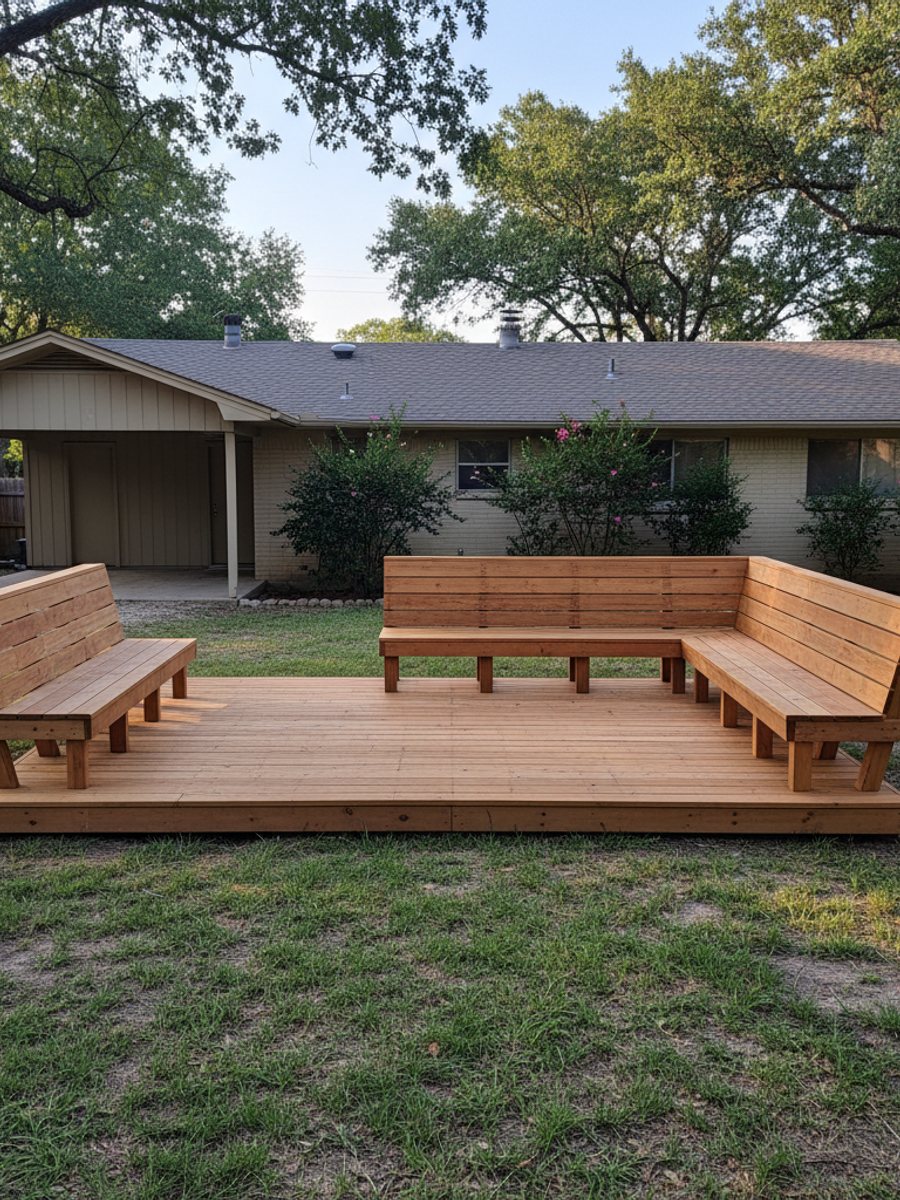
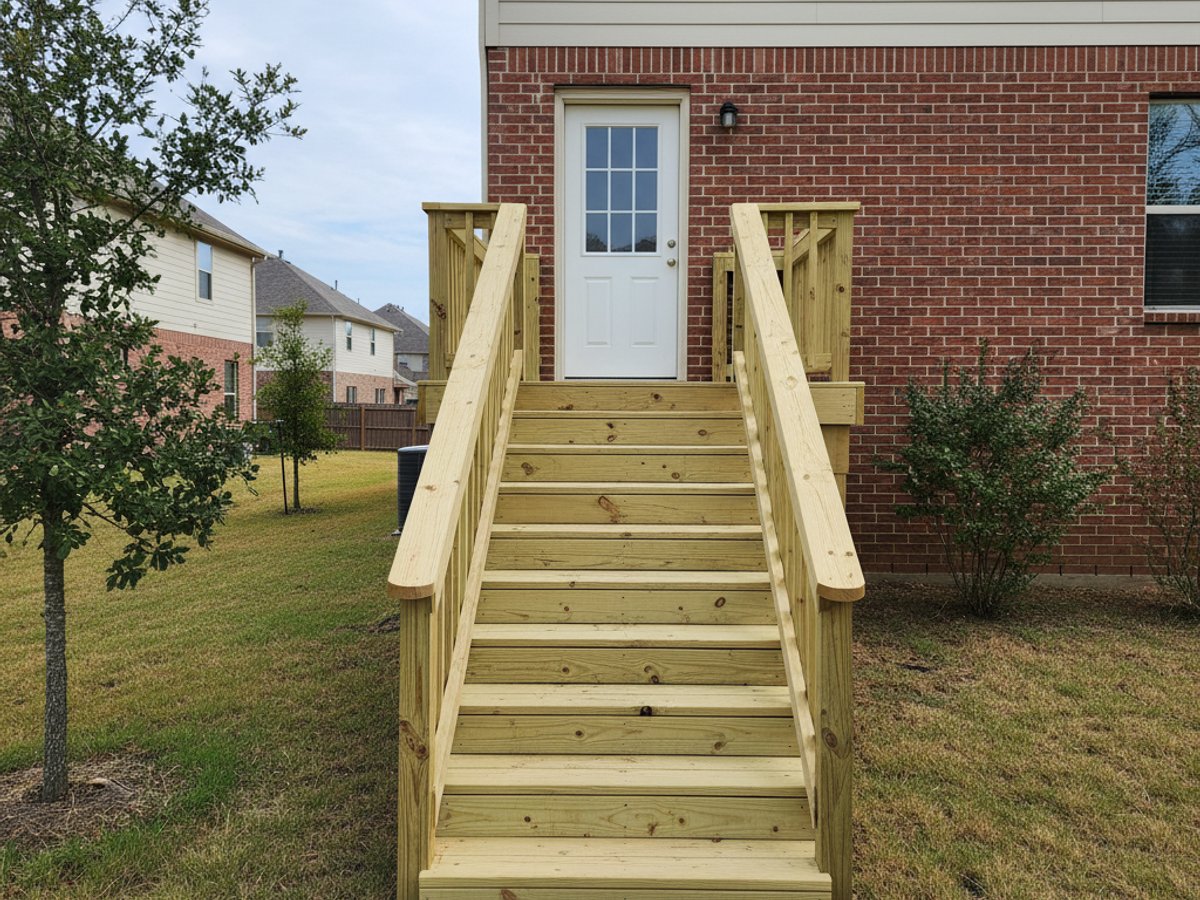
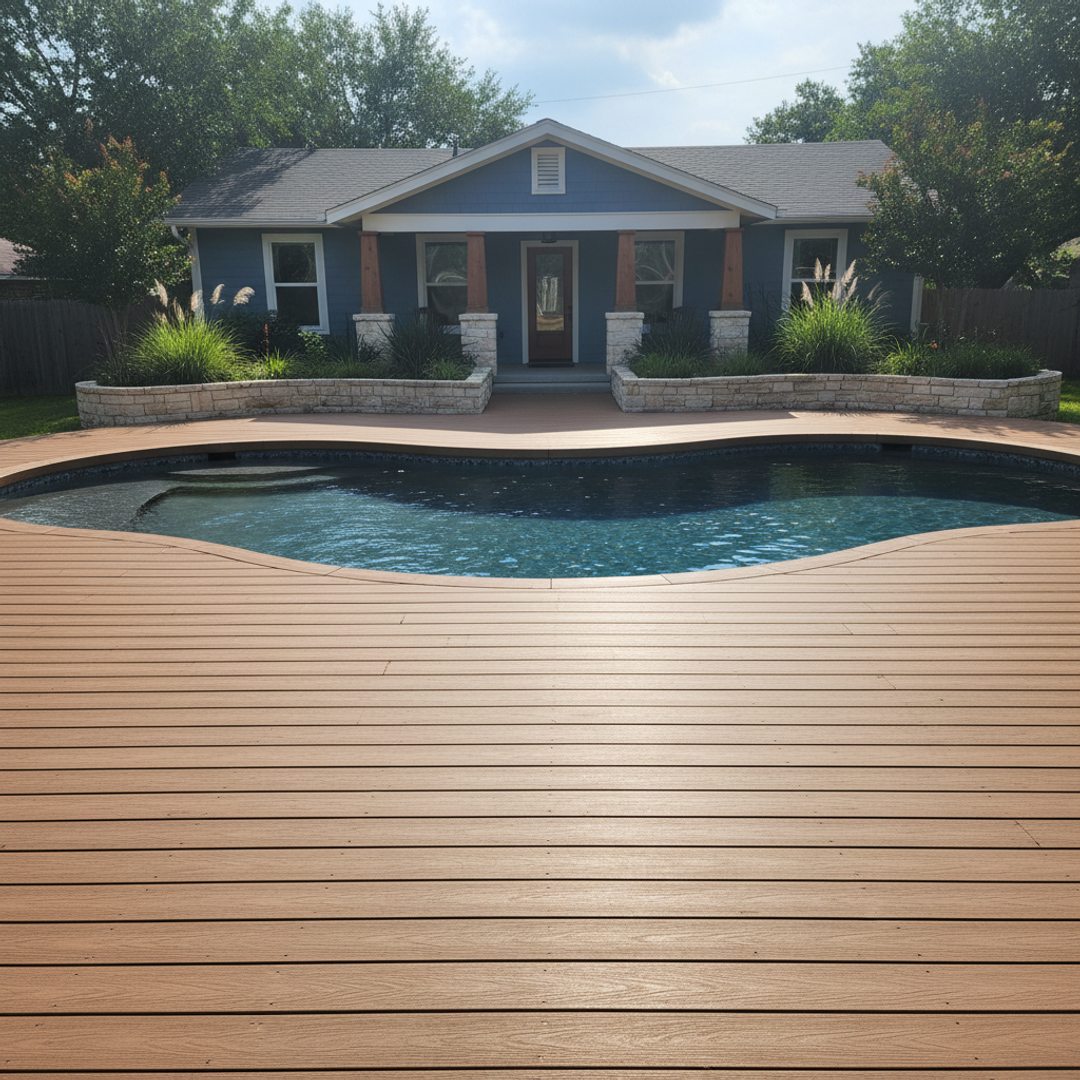
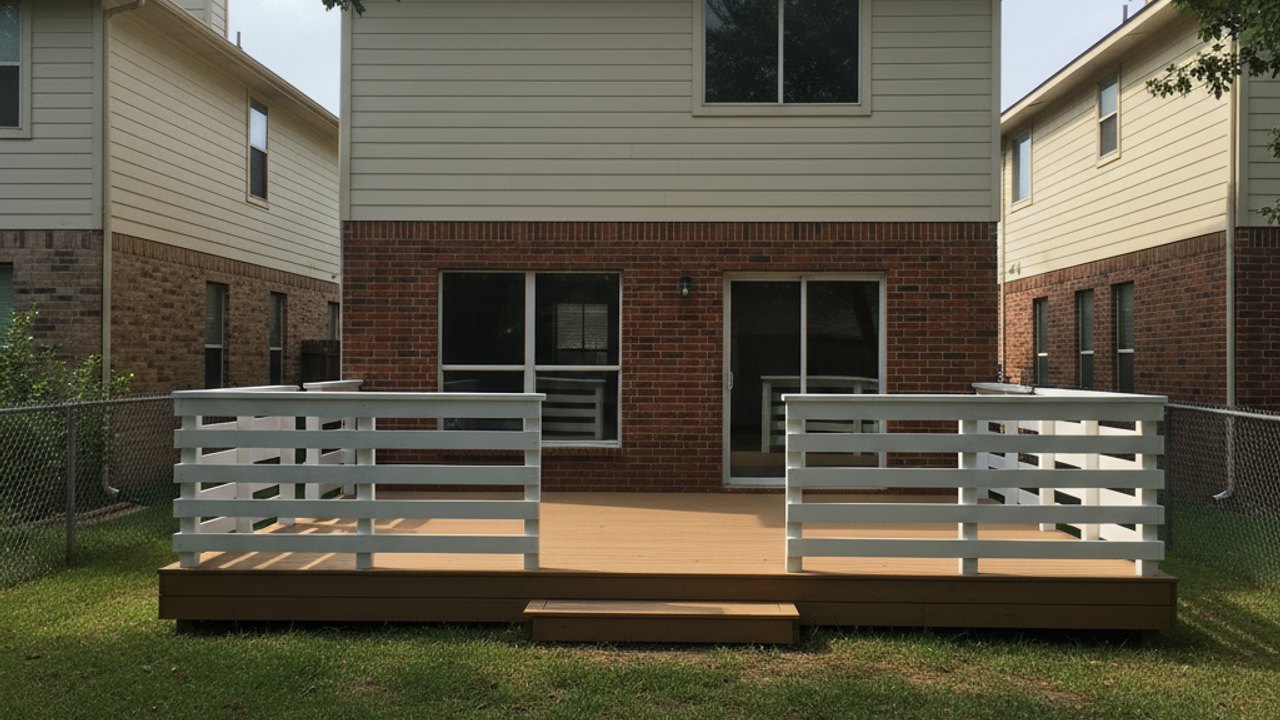
Some of the framing and finished decking from recent jobs.


What homeowners want to know about us before hiring.
Free estimate, a price in writing, and work we stand behind.